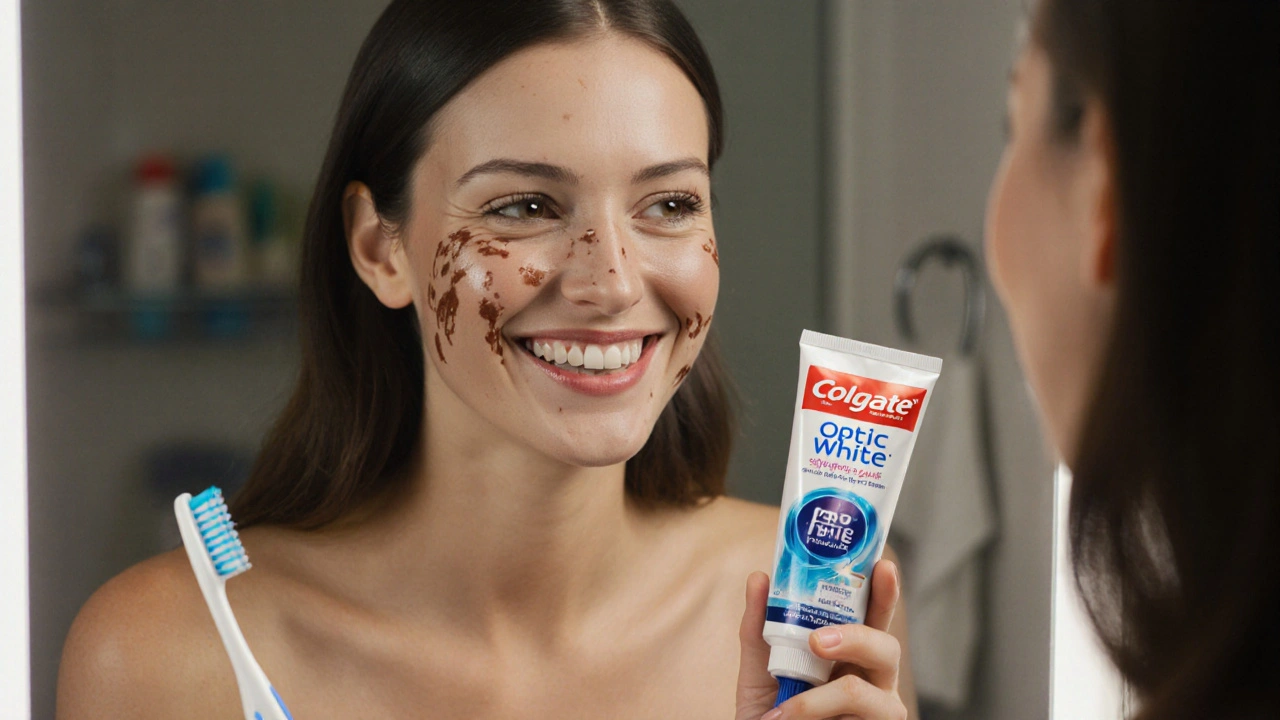
Bělící zubní pasta: Jak vybrat skutečně účinnou a nezahájit poškození zubů
Zjistěte, jak bělící zubní pasta skutečně funguje, co hledat ve složení a jak ji používat bez rizika poškození zubů. Expertní rady pro bezpečné a efektivní bělení.

When you want to bělení zubů, proces, který odstraňuje pigmenty a osvětluje barvu zubů. Also known as osvětlení zubů, it is not just about looks — it’s about understanding how your zubní sklovina reacts to chemicals, abrasives, and heat. Many people think whitening is like washing dishes — scrub harder, get cleaner. But your enamel isn’t porcelain. It’s a living tissue that can get thinner, more sensitive, or even permanently damaged if you push it too far.
Most whitening products on the market fall into two traps: they either use too much peroxid — which burns gums and strips enamel — or they rely on abrasive particles like aktivní uhlí or soda bikarbonát, which scratch the surface clean but leave microscopic grooves where stains come back faster. The truth? Whitening doesn’t happen overnight. And if your teeth are already sensitive, cracked, or have fillings, some methods can make things worse. You might see results in a week with strips, but if your gums sting or your teeth feel like ice cubes, you’re not getting whiter — you’re getting damaged.
What really works? Professional cleaning first — pískování zubů removes surface stains without touching enamel. Then, if your dentist approves, controlled use of low-concentration peroxide gels under supervision. Home kits? Only if they’re from trusted brands and used exactly as directed. And never, ever use baking soda or charcoal paste daily. They don’t whiten — they wear you down. The posts below will show you exactly which products deliver real results in 2025, which ones are marketing hype, and how to avoid the most common mistakes that lead to expensive dental repairs later. You’ll find out why some whitening pastes are useless, why strips can backfire, and what you should do instead if your teeth are already sensitive. No fluff. Just what matters for your smile — and your wallet.
Zjistěte, jak bělící zubní pasta skutečně funguje, co hledat ve složení a jak ji používat bez rizika poškození zubů. Expertní rady pro bezpečné a efektivní bělení.