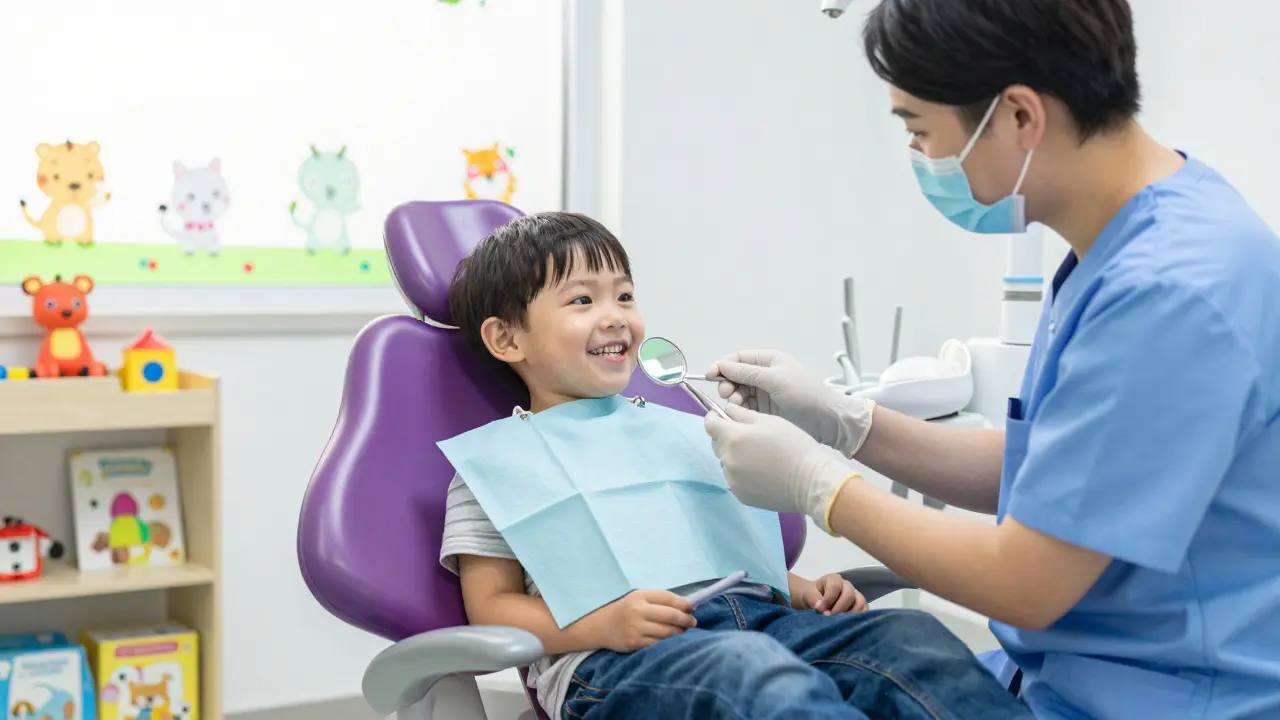
Jak dětská stomatologie může změnit život vašeho dítěte
Dětská stomatologie není jen o plombách - je to základ pro zdravé zuby, správný vývoj čelisti a důvěru k lékaři celý život. Začněte už v prvním roce.

When it comes to zubní péče pro děti, první krok není návštěva zubaře, ale každodenní čištění od prvního zoubku. Also known as dětská zubní hygiena, it’s not about perfection—it’s about consistency. The first tooth, often called a stolička, první zub, který se objeví mezi 5. a 7. měsícem života dítěte, doesn’t need fancy tools—just a soft cloth or tiny brush and a smear of fluoride toothpaste. This isn’t optional. It’s the foundation for lifelong oral health.
Many parents think cavities are just a problem for older kids, but dětské zuby, mléčné zuby, které slouží jako místo pro trvalé zuby a pomáhají při mluvení a žvýkání can decay just as fast as adult teeth. Sugary drinks, bedtime bottles, and even fruit purees can turn into acid factories in a child’s mouth. That’s why čištění zubů dětem, dvakrát denně, od chvíle, kdy se objeví první zoubek isn’t a suggestion—it’s a medical necessity. Skipping it increases the risk of pain, infection, and even problems with the permanent teeth growing in later.
You don’t need expensive gadgets or special toothpastes. A pea-sized amount of fluoride toothpaste, a soft-bristled brush, and a gentle routine are enough. The trick? Make it fun. Sing a song while brushing. Let them pick a colorful brush. Brush together so they see it’s normal. If your child resists, don’t force it—try again in five minutes. Persistence beats perfection.
And yes, you should take them to the dentist by their first birthday—even if all they have is one tooth. It’s not about fillings. It’s about learning how to care for them, spotting early signs of decay, and getting advice tailored to your child’s needs. Many parents wait until there’s pain, but by then, it’s often too late for simple fixes.
What you’ll find here are real, no-fluff tips from parents and dentists who’ve been there: how to handle tantrums during brushing, what toothpaste to avoid, how to stop thumb-sucking before it damages teeth, and why that "natural" honey-based toothpaste might be doing more harm than good. No myths. No marketing. Just what actually works for kids—and what doesn’t.
Dětská stomatologie není jen o plombách - je to základ pro zdravé zuby, správný vývoj čelisti a důvěru k lékaři celý život. Začněte už v prvním roce.
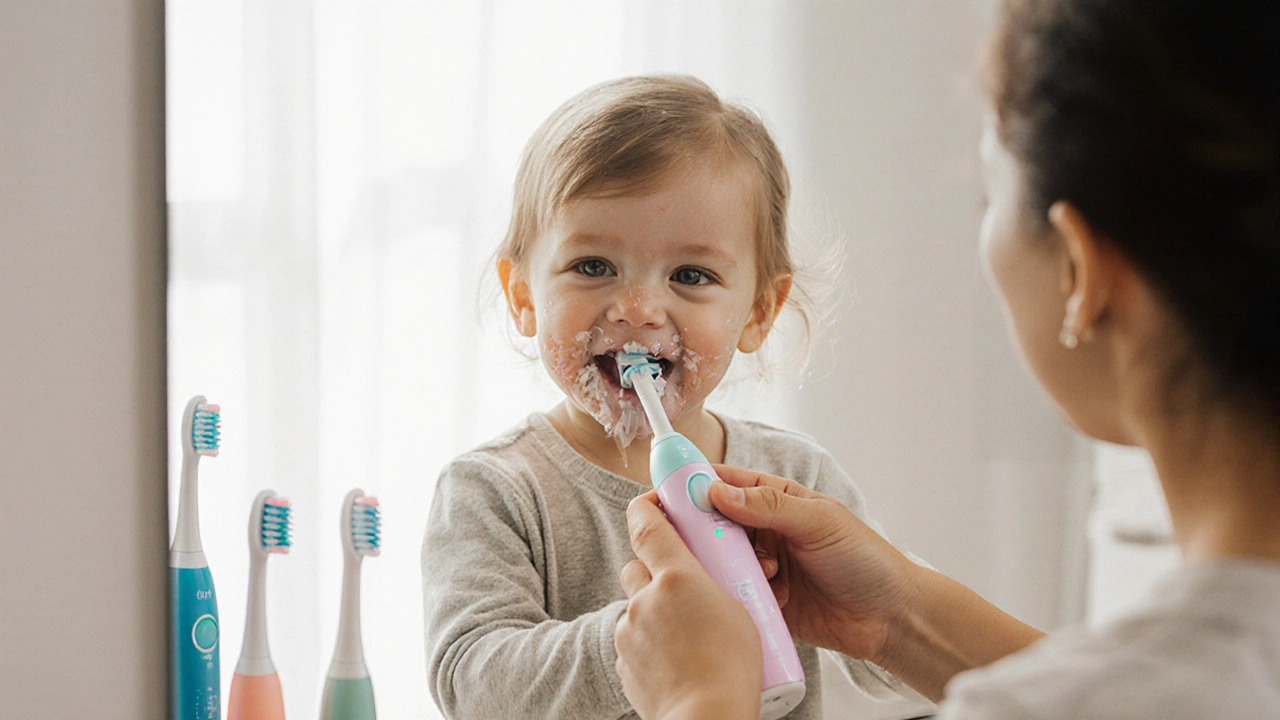
Jak vybrat bezpečný a efektivní elektrický zubní kartáček pro děti? Praktický návod pro rodiče, který pomůže vybrat nejlepší model, včetně doporučení Curaprox a porovnání podle věku.